The real cost of Курс по эффективным решениям для квартиры — срок подачи заявок почти истекает: hidden expenses revealed
The $3,000 Surprise: What That Apartment Solutions Course Isn't Telling You
Maria thought she'd found the answer to her cramped Moscow apartment. The course promised "effective solutions for apartment living" – clever storage hacks, space-maximizing renovations, and designer tricks that wouldn't break the bank. She paid the enrollment fee three days before the deadline, excited to transform her 45-square-meter space.
Two months later, she'd spent an additional $2,847 on top of the course fee. Nobody mentioned those costs upfront.
Sound familiar? You're scrolling through your feed, the deadline's approaching fast, and that apartment makeover course looks like exactly what you need. But here's what they're not putting in those glossy promotional posts.
The Course Fee Is Just Your Entry Ticket
Most apartment solutions courses advertise their base price – typically ranging from $297 to $899. That's what gets splashed across the landing page. What doesn't get mentioned until you're already committed?
The Materials Shopping List
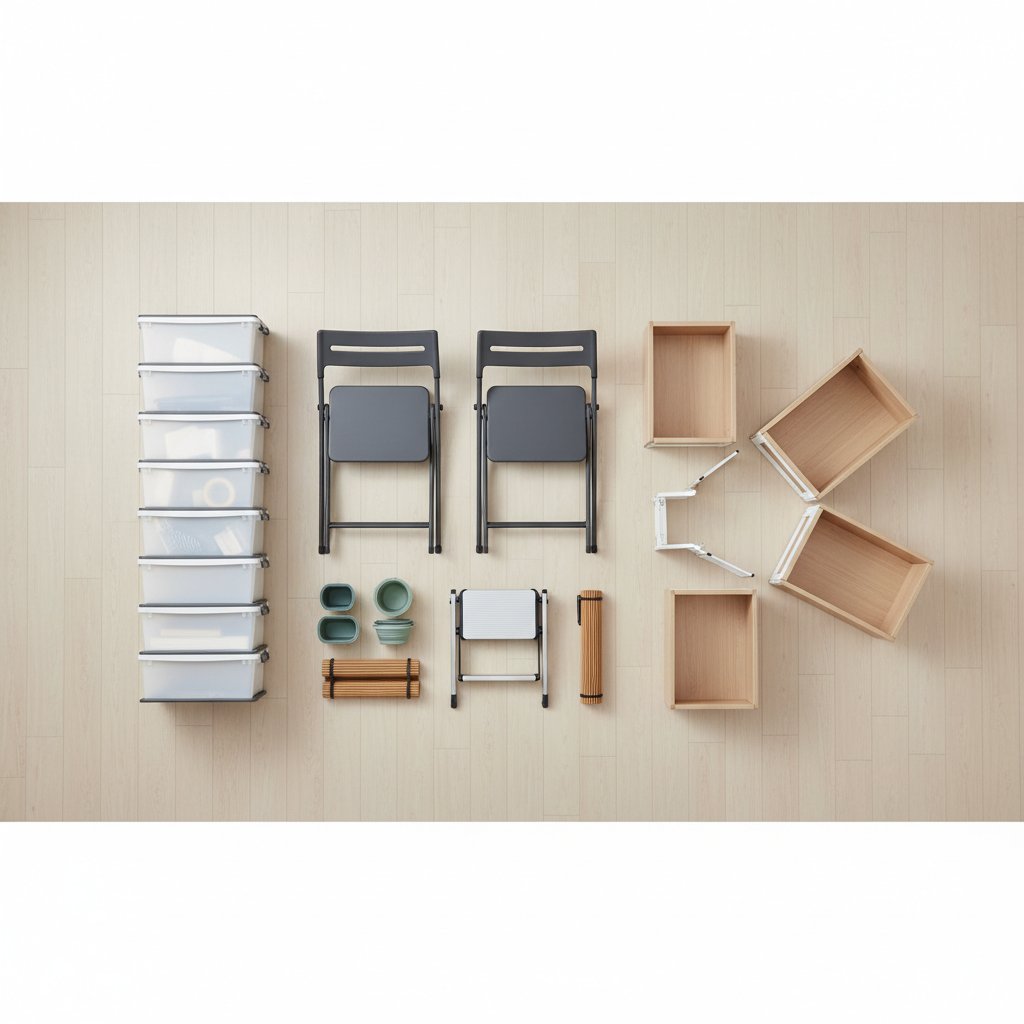
Week two usually drops a bomb: the recommended materials list. One student from a popular Russian apartment design course shared her receipts with me. She spent 78,000 rubles (roughly $850) on "essential" organizational systems, specialized tools, and materials that weren't included in the course price. The instructors framed these as "optional," but trying to follow along without them? Nearly impossible.
The modular shelving system alone cost her 34,000 rubles. The "budget-friendly" lighting solutions? Another 15,000.
Software Nobody Warned You About
Here's a sneaky one. Many courses teach you to create 3D renderings or floor plans using professional software. They'll show you SketchUp, AutoCAD, or specialized interior design platforms during the lessons. Then you discover the free trial expires after 14 days, and the full license runs $600-$1,200 annually.
Sure, there are free alternatives. But the course is built around the premium tools, so you're essentially teaching yourself twice – once to understand the concepts, again to translate them into different software.
The Contractor Connection Racket
This one really grinds my gears. Several apartment renovation courses in Russia partner with "verified contractors" who can implement your new designs. Sounds helpful, right?
Dmitry, a contractor based in Saint Petersburg, explained how this actually works: "These courses send us clients, and we pay them 15-20% commission on every project. Guess who covers that cost? Not us." The markup gets passed directly to students who think they're getting a trusted professional at a fair rate.
One student paid 180,000 rubles for a kitchen renovation through her course's recommended contractor. An independent quote for identical work? 142,000 rubles. That's a 27% premium for the "convenience" of a referral.
The Community Upsell Treadmill
Most courses end, but the spending doesn't. You'll get invited to the "exclusive alumni community" for ongoing support. Sounds reasonable – except it costs $47/month or $447/year. Miss a few payments and you lose access to all the templates, resources, and community feedback you've come to rely on.
Then come the advanced modules. "Master Bathroom Renovations" for $397. "Advanced Storage Solutions" for $297. These weren't mentioned in the original course description, but good luck completing your apartment transformation without them.
The Real Timeline
The course advertises an 8-week timeline. Reality check: students report spending 4-6 months from start to finished renovation. Why? Because the course covers planning and design, but actual implementation – the construction, the material sourcing, the contractor coordination – that's all on you. And it takes time you weren't budgeting for.
Time is money. If you're taking evenings and weekends for six months, that's 200+ hours you could've spent freelancing, relaxing, or actually living in your apartment instead of demolishing it.
What Industry Insiders Actually Say
I spoke with Olga Petrova, an interior designer with 12 years of experience in Moscow apartment renovations. Her take? "These courses teach theory that sounds impressive but often doesn't account for Russian building codes, communal apartment restrictions, or the reality of working with local contractors. Students end up hiring designers anyway – after wasting money on the course."
She estimates that 60% of her clients come to her after attempting DIY renovations, often having already spent 30-40% more than if they'd hired help from the start.
Key Takeaways: The Hidden Cost Breakdown
- Course fee: $297-$899
- Materials & tools: $600-$1,200 on average
- Software subscriptions: $600-$1,200 annually
- Contractor markup: 15-27% premium through referrals
- Ongoing community access: $447-$564 per year
- Advanced modules: $600-$1,000 additional
- Total hidden costs: $2,847-$4,764 beyond the advertised price
The Deadline Pressure Play
Notice how there's always a deadline? "Applications closing in 48 hours!" These artificial scarcity tactics exist for one reason: they prevent you from doing exactly what you're doing right now – researching the real costs.
That deadline will come back. Next month, there'll be a new "final chance" enrollment period. There always is.
Look, apartment living in Russia presents unique challenges. Space is premium, storage is limited, and clever solutions genuinely help. But dropping thousands on a course with hidden expenses when you could hire a local designer for a one-time consultation? That's worth questioning.
Before that deadline "expires," calculate the total investment. Not the glossy number on the sales page – the real one, including all those extras they're not advertising. Your apartment deserves better than a panic-purchase decision made under artificial time pressure.